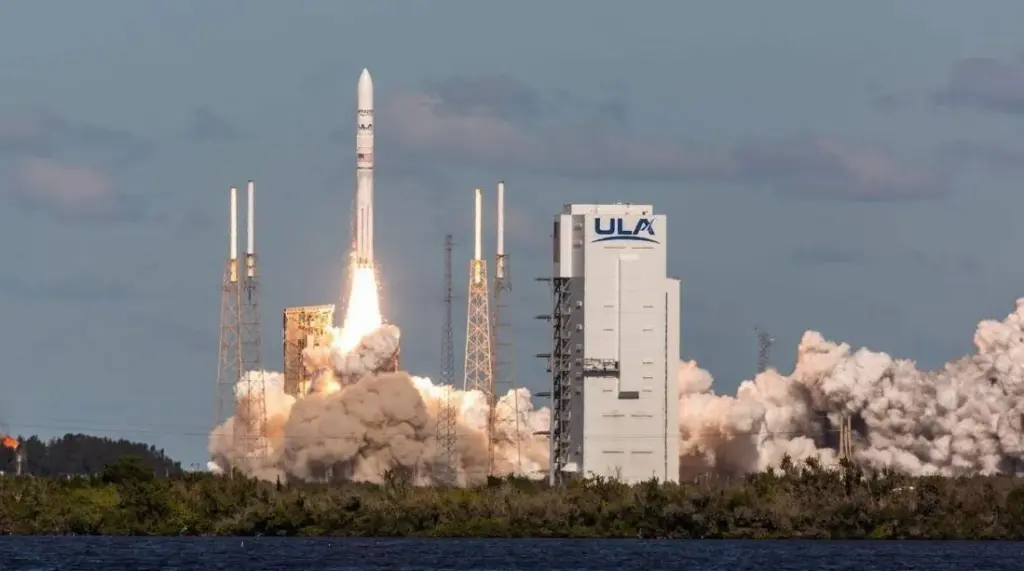
The ambitions of the American space industry took a massive hit on Sunday when United Launch Alliance’s Vulcan rocket plummeted back to Earth shortly after takeoff. What began as a promising ascent from Cape Canaveral Space Force Station turned into a disaster ten minutes into the flight, resulting in the loss of forty Amazon Leo broadband satellites. While ULA has historically managed to recover from minor malfunctions on previous flights, this event marks the first total mission failure for the company since its inception in 2006, signaling a crisis that could ground the fleet indefinitely.
Early reports suggest the catastrophe originated within the rocket’s booster stage rather than its upper section or solid boosters. Telemetry indicated that the BE-4 engines, produced by Jeff Bezos’s Blue Origin, may have burned significantly longer than planned, possibly attempting to compensate for an underlying performance issue. Following this overburn, observers noted the rocket began to spin uncontrollably. Despite efforts by the second stage to correct its trajectory, the vehicle never reached orbit, leaving engineers to scramble for answers regarding where exactly the hardware failed.
The fallout extends far beyond a single lost payload, creating a strategic vacuum that benefits SpaceX and its Starlink network. For Amazon, this is a devastating blow; with thirty seven more launches booked and hundreds of completed satellites currently gathering dust in warehouses, their bid to compete in the consumer satellite internet market has been stalled once again. The timing is particularly precarious given how long these assets have already waited for a ride into space.
Beyond commercial interests, the failure ripples through national security channels. With Vulcan contracted for nearly half of the U.S. military’s upcoming space missions and ties to NASA’s moon-bound Artemis program, any prolonged grounding creates a dangerous dependency on fewer launch options. As ULA begins its transparent investigation into the anomaly, the broader industry is left wondering if the push for rapid deployment has finally collided with a critical engineering flaw.